
 27 C
27 C theleaflet
Elections 2026World / theleaflet
The Constitution of India is extraordinarily resilient as a living, social document not because it lives in courtrooms, but because of the common citizen's deep and abiding engagement with it.

Ambedkar's sadness that caste count was excluded in 1951 caste census is reflected in the half-hearted manner of conducting caste count in 2026 census by dispensing with drop down menu of castes

The victims of the 2024 Bangladesh violence deserve genuine accountability. But the proceedings against Sheikh Hasina raise cumulative concerns about the Bangladesh International Crimes Tribunals constitutional foundation, judicial independence, evidentiary scrutiny and appellate safeguards. India must note that its refusal to extradite need not mean abandonment of accountability.

The panel, headed by former Supreme Court judge R. Subhash Reddy, will examine allegations ranging from the use of pellet guns and lathi charges to surveillance and violence against female protesters, alongside counter-allegations of property damage and injuries to police personnel.

Despite research showing that womens complaints under the Domestic Violence Act are overwhelmingly genuine, courts and lawmakers continue to entertain claims of misuse while the law itself remains starved of the sensitisation, procedure, and political will needed to make it work.
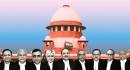
A nine-judge bench, by majority, has refined but not overturned the triple test in Bangalore Water Supply for what counts as an industry under the Industrial Disputes Act, 1947.

As AI value shifts from source code to trained model weights, copyright and trade secret law struggle to keep pace, leaving contract drafting as the last real line of defence
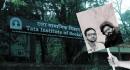
The Sessions Courts order, which conflates political solidarity with criminal intent, denies anticipatory bail to two TISS students as it treats slogans demanding the release of undertrials Umar Khalid and Sharjeel Imam, and homage paid to the late Professor G.N. Saibaba, as grounds for suspicion.
Every year, NIRF, India's premier university ranking system under the Education Ministry, publishes a list that students trust and institutions build their reputations around. An RTI based investigation by The Leaflet on Indias largest minority varsity now shows that it misrepresented data and NIRF simply accepted it on face value.

The conflation of affirmative action and anti-atrocity law subjects persons of Dalit lineage exercising religious-freedom to a constitutional paradox and denies them the fundamental promise of social dignity
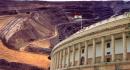
The new Amendment turns states plenary taxing powers over minerals into a licence granted at the Centres discretion, setting up a serious constitutional challenge and dealing a fresh blow to fiscal federalism.