



September 4 or 5When Is Janmashtami 2026? Know the Correct Date, Midnight Puja Muhurat & Paran Time
Janmashtami 2026 will be celebrated on September 4. Know the Nishita Kaal puja muhurat, Ashtami Tithi, vrat paran time, puja vidhi and Krishna Janmashtami katha.

Discover Sushruta-Style Ayurveda For Advanced Natural Healing
Sushruta-style Ayurveda represents the procedural and surgical branch of classical Ayurveda, founded by Acharya Sushruta, whose Sushruta Samhita remains one... The post Discover Sushruta-Style Ayurveda For Advanced Natural Healing appeared first on Dharma .
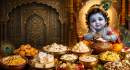
Janmashtami 2026 is one of the most important festivals dedicated to Lord Krishna. Devotees celebrate the birth of Bal Gopal, lovingly known as Kanha, by performing midnight prayers, offering sweets and preparing special bhog. Traditionally, 56 different food items, known as Chhappan Bhog, are offered to Lord Krishna on Janmashtami. However, if preparing all 56 dishes is not possible, devotees are traditionally advised to offer five important offerings with devotion. 5 Main Bhog Offered to Lord Krishna 1. Makhan-Mishri Makhan-Mishri (fresh butter mixed with sugar crystals) is considered one of Lord Krishna's favourite offerings. Since Krishna is popularly associated with his love for butter, offering Makhan-Mishri is considered especially auspicious on Janmashtami. 2. Dhaniya Panjiri Dhaniya Panjiri, prepared using coriander powder along with other ingredients, is a traditional Janmashtami prasad. It holds a special place in many households and is commonly prepared for the festival. 3. Panchamrit Panchamrit is prepared by combining five ingredientsmilk, curd, ghee, honey and sugar. It is traditionally used during the abhishek of Lord Krishna and is also offered as prasad. 4. Makhan-Mishri Peda or Makhana Kheer Milk-based sweets such as Peda or Makhana Kheer are also commonly offered to Bal Gopal. Devotees can choose an offering according to their family traditions and convenience. 5. Charanamrit and Tulsi Leaves Tulsi leaves (Tulsi Dal) hold special significance in Vaishnav traditions. Devotees traditionally place a Tulsi leaf with Krishna's bhog, as Tulsi is considered especially dear to Lord Vishnu and Krishna. Why Is Chhappan Bhog Offered to Krishna? According to a popular religious tradition, Lord Krishna lifted Govardhan Hill to protect the people of Braj from torrential rains caused by Indra. It is believed that Krishna held the hill aloft for seven days and remained without food during this period. After the rain stopped, the people of Braj expressed their gratitude by preparing 56 varieties of food for him. The number 56 is traditionally associated with the eight daily periods (prahars) multiplied by seven days: 7 8 = 56. This is considered one of the traditional explanations behind the practice of offering Chhappan Bhog. What Is Included in Chhappan Bhog? The 56 offerings can include a wide variety of traditional dishes, sweets, fruits and beverages. Some commonly mentioned categories include: Grains and savoury foods: Kachori, puri, samosa, mathri and bhujia. Sweets: Ghevar, rasgulla, peda, barfi, malpua, rasmalai, jalebi and halwa. Beverages: Lassi, buttermilk, shikanji, milk and rabri. Fruits and dry fruits: Cashews, almonds, pistachios, raisins, makhana and seasonal fruits. ALSO READ: Before Janmashtami, Bring These 5 Auspicious Things Home for Happiness & Prosperity Disclaimer: The content provided here is based on beliefs and information only. Always consult a concerned expert.

Sunday Puja: Dont Worship Surya Dev AlonePray to These 3 Deities Too for Prosperity
Sunday worship: Along with Surya Dev, know how to worship Lord Vishnu, Goddess Durga and Kaal Bhairav for peace, prosperity, strength and protection.

Before Janmashtami, Bring These 5 Auspicious Things Home for Happiness & Prosperity
Janmashtami is celebrated on the Ashtami Tithi of the Krishna Paksha in the Hindu month of Bhadrapada. The festival marks the birth of Lord Krishna. In many households, devotees worship Krishna in his child form, known as Laddu Gopal. It is traditionally believed that serving and worshipping Krishna brings happiness, peace and prosperity to the home. Bringing certain sacred items into the house before Janmashtami is also considered auspicious. These are not merely decorative objects but are regarded as symbols of devotion and seva. 1. Wooden Flute at Home Bringing a flute associated with Lord Krishna home before Janmashtami and placing it in the puja room is considered auspicious. The flute is traditionally associated with love, sweetness and harmony. It can be placed near Laddu Gopal or in another clean and respectful place in the home. Devotees are advised to treat the flute as a sacred symbol rather than simply a decorative item. Keeping it near Krishna during worship is believed to enhance the devotional atmosphere and bring a sense of peace and harmony to the household. 2. Cow and Calf Idol or Picture Lord Krishna has a deep association with cows and the tradition of Gau Seva. Bringing home an idol or picture depicting a cow and calf before Janmashtami is considered auspicious. It is traditionally associated with family happiness, nourishment and prosperity. The idol can be placed near Krishna in the puja area. The tradition also encourages devotees to cultivate respect and compassion towards cows. If choosing a picture, it should similarly be placed in a clean and respectful location rather than treated merely as home dcor. 3. Shri Yantra Devotees can worship Lakshmi-Narayan before or on Janmashtami. According to religious belief, seeking the blessings of Lord Vishnu and Goddess Lakshmi is associated with peace, prosperity and stability in the household. A Shri Yantra may also be brought home and placed in a clean puja area. It is traditionally regarded as a symbol associated with prosperity and abundance. Simply purchasing a yantra is not considered enough in traditional practice. Devotion, regular worship, cleanliness and lighting a diya are regarded as important parts of the practice. 4. Tulsi Plant If there is no Tulsi plant at home, bringing one home before Janmashtami and caring for it regularly is considered highly auspicious. Tulsi is traditionally regarded as Vishnu Priya, or beloved of Lord Vishnu. Its worship is associated with auspiciousness, well-being and prosperity. Place the plant in a clean location and care for it regularly. Remove dried leaves and ensure the plant receives appropriate sunlight and water. Tulsi also holds a special place in Krishna worship, and offering Tulsi leaves as part of bhog is an important devotional tradition. 5. Pure Cow Ghee for the Puja Lighting a ghee diya during Janmashtami worship is considered a sattvic and auspicious practice. Devotees can keep pure cow ghee at home in preparation for the festival. Ghee is traditionally associated with purity, light and auspiciousness. A ghee diya can be lit during the midnight worship, around the traditional time associated with Krishna's birth. Disclaimer: The content provided here is based on beliefs and information only. Always consult a concerned expert.

What Makes Shri Krishna a Gen Z Favourite?
From the Bhagavad Gita to kirtan jams, discover why Gen Z is finding a deeper connection with Shri Krishna, Khatu Shyam Ji and Lord Jagannath.

How Many Days Should You Keep Rakhi on Your Wrist? Know the Rules and Right Way to Dispose It
Wondering when to remove your Rakhi? Know how many days to keep it on your wrist, the right way to remove it and traditional methods of disposal.

Chandra Grahan 2026 falls on August 28, Raksha Bandhan. Know why Tulsi leaves are kept during a lunar eclipse and whether Sutak applies in India.


Raksha Bandhan 2026 will be celebrated on August 28. Check the best time to tie rakhi, Purnima timings, Bhadra details and the significance of three knots.

Raksha Bandhan 2026: Choose a Lucky Rakhi for Your Brother According to His Zodiac Sign
Raksha Bandhan, the sacred festival celebrating the unbreakable bond between brothers and sisters, will be observed on August 28, 2026. A rakhi is not merely a thread; traditionally, it is regarded as a symbol of a sisters prayers for her brothers long life, protection and well-being. According to astrology, choosing a rakhi in a colour associated with the ruling planet of your brothers zodiac sign is believed to invite positive planetary energies, prosperity and happiness into his life. Here are the auspicious rakhi colours for each zodiac sign this Raksha Bandhan: 1. Aries: Red for Energy and Courage Aries is ruled by Mars. For brothers born under this sign, a red or orange rakhi is considered auspicious. These colours are believed to promote courage, strength, determination and success. 2. Taurus: White and Pink for Harmony Taurus is ruled by Venus. A white, pink or light-blue rakhi is considered suitable for Taurus brothers. These colours are traditionally associated with peace, affection and harmony in relationships. 3. Gemini: Green for Intelligence and Growth Gemini is governed by Mercury. A green rakhi is regarded as favourable for brothers of this sign and is believed to support intellectual growth, business prospects and overall well-being. 4. Cancer: White for Emotional Peace Cancer is ruled by the Moon. A white, silk, silver-toned or pearl-studded rakhi can be chosen for Cancer brothers. These are traditionally associated with emotional stability, peace of mind and a strong sibling bond. ALSO READ: Raksha Bandhan 2026: Should You Tie 3 or 5 Knots on a Rakhi? 5. Leo: Golden and Yellow for Recognition Leo is ruled by the Sun. A golden, yellow or saffron-coloured rakhi is considered auspicious. According to astrological beliefs, these colours can support confidence, leadership qualities, recognition and respect. 6. Virgo: Green for Success and Positivity Virgo is also ruled by Mercury. A dark green or brown rakhi is considered a good choice for Virgo brothers. These colours are believed to attract positive energy and support career growth and stability. 7. Libra: Pink and White for Love and Balance Libra is governed by Venus. Brothers belonging to this sign can be gifted a pink, sky-blue or white rakhi. These colours are associated with love, harmony, balance and peaceful relationships. 8. Scorpio: Red and Maroon for Strength Scorpio is ruled by Mars. A deep red, orange or maroon rakhi is considered highly auspicious. These colours are believed to enhance confidence, inner strength and the ability to overcome challenges. ALSO READ: Raksha Bandhan 2026: Who Should You Tie Rakhi to First Before Tying It to Your Brother? Know the Ritual 9. Sagittarius: Yellow for Knowledge and Good Fortune Sagittarius is ruled by Jupiter. A yellow or golden rakhi is considered favourable for Sagittarius brothers. According to astrology, these colours are associated with wisdom, prosperity, good fortune and personal growth. 10. Capricorn: Dark Blue for Stability Capricorn is ruled by Saturn. A dark blue, brown or black rakhi, including designs featuring blue stones, can be chosen for Capricorn brothers. These colours are traditionally believed to support discipline, patience, career stability and success. 11. Aquarius: Blue and Purple for Progress Aquarius is also associated with Saturn. A blue or purple rakhi is considered suitable for Aquarius brothers. These colours are believed to encourage creativity, fresh ideas, professional growth and progress. 12. Pisces: Yellow and Orange for Prosperity Pisces is ruled by Jupiter. A yellow or orange rakhi is considered auspicious for Pisces brothers. These colours are traditionally associated with good fortune, mental peace, prosperity and abundance. ALSO READ: Raksha Bandhan 2026: Will Bhadra Affect Rakhi? Know the Correct Date and Best Muhurat Disclaimer: The content provided here is based on beliefs and information only. Always consult a concerned expert.

Raksha Bandhan 2026: Should You Tie 3 or 5 Knots on a Rakhi?
Discover the spiritual meaning of tying 3 or 5 knots on a Rakhi during Raksha Bandhan, from invoking the Trideva to aligning with the Panchatattva.

Why Avoid Sweeping and Mopping on Ekadashi? Know the Religious Belief
Why is sweeping and mopping avoided on Ekadashi? Know the Hindu religious belief, the importance of ahimsa and why harming small creatures is associated with dosha.

Raksha Bandhan is celebrated as a symbol of love, protection and the special bond between brothers and sisters. While the main ritual involves a sister tying a rakhi on her brothers wrist, Hindu traditions also associate the festival with seeking divine blessings before beginning the ceremony. According to popular religious beliefs, the rakhi ritual should begin by offering a raksha sutra, or sacred thread, to Lord Ganesha. After that, devotees may offer rakhi to Laddu Gopal and other deities worshipped in the home temple. Once the gods have been offered the sacred thread, the sister can proceed with tying rakhi to her brother. Begin the Ritual by Offering Rakhi to Lord Ganesha After taking a bath and wearing clean clothes, devotees can prepare the puja area and worship Lord Ganesha. Offerings such as roli, akshat, flowers and sweets can be presented during the pooja. A rakhi or raksha sutra is then offered to Lord Ganesha. Since he is regarded as the first deity to be worshipped before the start of any auspicious occasion, many families consider it auspicious to begin the Raksha Bandhan ritual by seeking his blessings. Offer Rakhi to Laddu Gopal and Other Deities After Lord Ganesha, offer a rakhi to Laddu Gopal, a beloved form of Lord Krishna. During the ritual, offer prayers for peace, happiness, prosperity and the well-being of the family. If the home temple contains idols or images of other gods and goddesses, a sacred thread may also be offered to them. Tie Rakhi to Your Brother After Completing the Puja Once the raksha sutra has been offered to the deities, the sister can perform the traditional rakhi ceremony for her brother. The brother is traditionally seated for the ritual, following which the sister applies a tilak on his forehead. She then offers akshat, performs an aarti and ties the rakhi around his wrist. The ceremony is completed by offering sweets. While tying the rakhi, the sister prays for her brothers good health, happiness, prosperity and long life. The brother, in turn, traditionally promises to stand by and protect his sister. Why Is This Ritual Order Considered Auspicious? Raksha Bandhan is more than just the act of tying a thread. The festival represents prayers for protection, well-being and the strength of family bonds. The tradition of first offering a raksha sutra to the deities is based on the belief that every auspicious occasion should begin by seeking divine blessings. By worshipping the gods first and then tying rakhi to the brother, devotees symbolically seek blessings for the happiness, safety and prosperity of the entire family. ALSO READ: Raksha Bandhan 2026: Will Bhadra Affect Rakhi? Know the Correct Date and Best Muhurat Disclaimer: The content provided here is based on beliefs and information only. Always consult a concerned expert.

Modi Chalisa Row: Is Worshipping Living People Allowed in Hinduism?
The debate over Modi Chalisa raises questions about person worship in Hinduism. Explore Hindu scriptures, the difference between respect and worship, and views on worshipping living individuals.

Will 13 Muslim Nations Attack India? Mecca Defense Pact Revive Bhavishya Malika Prediction
Bhavishya Malika prediction claims 13 Muslim countries may unite against India. Know what the prophecy says and why it is going viral again.

Why Do People Tie Kalava Around Tulsi Plant? Know the Auspicious Day and Correct Method
Tulsi has been revered in Hindu tradition for centuries and holds a special place in religious practices. The Padma Purana also describes the glory and significance of Tulsi and considers the plant especially dear to Lord Vishnu. For this reason, Tulsi leaves are an essential part of many Vishnu-related rituals, and a Vishnu puja is traditionally considered incomplete without Tulsi. Several customs associated with Tulsi worship continue to be followed in Hindu households. One such tradition is tying a red thread or kalava around the stem of the Tulsi plant. This practice is primarily rooted in religious traditions and popular beliefs. Why Is a Red Thread Tied Around Tulsi? In Hindu religious tradition, the color red is considered a symbol of auspiciousness, strength, prosperity and good fortune. Since Tulsi is closely associated with Lord Vishnu, offering a kalava during Tulsi worship is also considered auspicious. According to certain religious beliefs, tying kalava around a Tulsi plant is believed to help maintain peace, harmony and positive energy in the household. It is also traditionally associated with relief from financial difficulties and the blessings of Goddess Lakshmi, the deity of wealth and prosperity. Which Day Is Auspicious for Tying Kalava Around Tulsi? Thursday and Friday are traditionally considered auspicious days for tying a kalava around a Tulsi plant. Thursday is associated with Lord Vishnu and is considered especially significant for Vishnu-related worship. Friday is associated with Goddess Lakshmi and is traditionally considered favorable for rituals related to prosperity and abundance. Some traditions also recommend offering a kalava to Tulsi on specific auspicious dates. If you wish to follow this custom, you can perform Tulsi puja after bathing in the morning and then tie the red thread around the plant. ALSO READ: 4 Simple Tulsi Manjari Remedies to Attract Wealth and Prosperity How to Tie a Red Thread Around Tulsi Clean the area around the Tulsi plant before beginning the puja. Take a bath, wear clean clothes and light a diya in front of Tulsi. Offer water to the plant. Gently tie a red kalava around the stem of the Tulsi plant. Make sure the thread is not tied too tightly, as excessive pressure may damage the stem. While tying the thread, remember Lord Vishnu or Tulsi Mata and offer your prayers with devotion. Chant the mantra Om Namo Bhagavate Vasudevaya. Disclaimer: The content provided here is based on beliefs and information only. Always consult a concerned expert.

Hindu, Hinduism and Hindustan: Part LXXXV
This episode lists out the common misconceptions, misunderstandings, misgivings, etc. prevailing globally about Hinduism in modern days while simultaneously revisiting the essence of Sanatana Dharma.

Nag Panchami 2026: Kaal Sarp Dosha Remedies, Puja Vidhi & Muhurat
Nag Panchami 2026 will be celebrated on Monday, August 17. In Hindu tradition, worshipping Nag Devta, or the serpent deity, holds special significance on this festival. Since snakes are closely associated with Lord Shiva, devotees also perform Shiva puja on Nag Panchami. According to astrological beliefs, Nag Panchami is also considered an important occasion for performing religious remedies associated with Rahu-Ketu-related doshas and Kaal Sarp Yoga. When all the planets in a birth chart are positioned on one side of the Rahu-Ketu axis, some schools of astrology describe the combination as Kaal Sarp Yoga or Kaal Sarp Dosha. However, astrologers have differing views about its effects. Therefore, it is not considered appropriate to attribute every problem in life solely to Kaal Sarp Yoga. Why Worship Nag Devta on Nag Panchami? According to Hindu religious beliefs, Nagraj Vasuki resides around Lord Shiva's neck. The month of Sawan is dedicated to Lord Shiva, and Nag Panchami is celebrated on the Panchami Tithi of the Shukla Paksha during this month. For this reason, worshipping Nag Devta and Lord Shiva is considered particularly significant on this day. According to astrological traditions, people whose birth chart contains Kaal Sarp Yoga or issues related to Rahu and Ketu may perform Shiva puja and worship Nag Devta on Nag Panchami. These practices are regarded as religious remedies for seeking relief from such doshas. What Remedies Can Be Performed for Kaal Sarp Dosha? On Nag Panchami, devotees should take a bath in the morning and perform Jalabhishek of Lord Shiva. Offer belpatra, dhatura and flowers to the Shivling. After this, devotees should worship an idol or picture of Nag Devta. Offer turmeric, flowers and kusha grass during the puja. Chanting mantras associated with Rahu and Ketu is also mentioned among astrological remedies. In some traditions, devotees worship a silver pair of serpent idols and offer a serpent idol at a Shiva temple. Nag Panchami Puja Muhurat The Panchami Tithi on August 17 will continue until around 5 pm. According to several Panchangs, the auspicious time for Nag Panchami puja is from 5:51 am to 8:29 am, providing a puja window of approximately 2 hours and 37 minutes. However, the exact puja muhurat and Rahu Kaal can vary slightly from one location to another depending on the local sunrise. Devotees are therefore advised to follow the Panchang applicable to their city. According to the Delhi Panchang, Rahu Kaal on August 17 will be from 7:29 am to 9:08 am. Things to Keep in Mind on Nag Panchami Devotees should avoid catching live snakes or offering milk to them as part of the worship. Instead, an idol or picture of Nag Devta should be worshipped. ALSO READ: Third Sawan Somwar 2026: Rare Combination of 9 Auspicious Yogas, Jalabhishek Muhurat Disclaimer: The content provided here is based on beliefs and information only. Always consult a concerned expert.
Hindu, Hinduism and Hindustan: Part LXXXIV
The sixteen Vedic Samskaras in the foregoing sections are pious rites of passage marking key life milestones from pre-conception to demise, purportedly designed to purify the body, mind and soul, while preparing the individual for their worldly and spiritual responsibilities. In essence, the Hindu Samskaras provide an earnest framework for a life lived with purpose.
Balance Energy And Mind By Understanding Rajasic Foods
Rajasic foods are foodstuffs that stimulate the body and mind, increasing activity, passion, ambition, and movement. The post Balance Energy And Mind By Understanding Rajasic Foods appeared first on Dharma .
The Characteristic Principles of Jain Philosophy
Jain philosophy places the soul (jiva) at the absolute center of its metaphysics, ethics, and spiritual practice (sadhana). This paper examines the sixfold formulation of Right Attitude (samyak darsana) as the foundational pivot of Jainism, analyzes its distinctive emphasis on non-violence (ahimsa) alongside non-absolutism (anekantavada), non-possession (anekantavada), equality, and equanimity, and clarifies its philosophical rejection of a creator God while affirming the divinity of liberated souls.
Boost Mental Clarity By Understanding Tamasic Foods
Food in Ayurveda nourishes not only the body but also the mind. Tamasic foods are traditionally associated with the Tamas guna, which represents heaviness, lethargy, and dullness. The post Boost Mental Clarity By Understanding Tamasic Foods appeared first on Dharma .
Boost Energy And Mental Clarity With A Sattvic Food Lifestyle
Sattvic food is the foundation of an Ayurvedic lifestyle, valued for promoting physical health, mental peace, and spiritual well-being. The post Boost Energy And Mental Clarity With A Sattvic Food Lifestyle appeared first on Dharma .
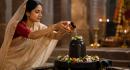
Sawan Shivratri 2026 will be celebrated on Tuesday, August 11. Observed on the Chaturdashi Tithi of Krishna Paksha in the month of Sawan, the festival holds immense religious significance for devotees of Lord Shiva. Offering water to the Shivling and worshipping Mahadev during the Nishita Kaal is considered particularly auspicious. On Sawan Shivratri, Kanwariyas traditionally offer the sacred water they have carried during the Kanwar Yatra to Lord Shiva. This ritual also marks the culmination of the Kanwar Yatra. However, this year, the presence of Bhadra Kaal has left many devotees wondering whether they can perform Jalabhishek during this period. Here is everything you need to know about Bhadra Kaal, Kanwar Jal Abhishek and Shiva Puja Muhurat on Sawan Shivratri 2026. Bhadra Kaal on Sawan Shivratri 2026 This year, Bhadra will prevail on Earth on Sawan Shivratri this year. It will begin at 5:58 am on August 11 and end at 3:22 pm. According to Hindu religious beliefs, when Bhadra resides on Earth, auspicious activities are generally avoided during this period. However, devotees can perform Shiva Puja and offer water to the Shivling after taking the appropriate auspicious Muhurat into consideration. Therefore, devotees do not necessarily need to postpone Jalabhishek for the entire day because of Bhadra Kaal. They can choose an auspicious time outside the Bhadra period. Sawan Shivratri 2026 Shiva Worship Nishit Kaal According to the Panchang, the Chaturdashi Tithi will begin at 4:54 am on August 11 and continue until 1:52 am on August 12. The Nishita Kaal, which is considered especially significant for Shiva worship, will be observed from 12:05 am to 12:48 am during the intervening night of August 11 and 12. Devotees can perform special Shiva Puja during this period and offer prayers to Lord Shiva. When to Offer Kanwar Jal on Sawan Shivratri? For devotees looking for an auspicious time to perform Kanwar Jal Abhishek, several Muhurats are available on Sawan Shivratri. The Brahma Muhurat will be from 5:23 am to 6:00 am on August 11. The Abhijit Muhurat will occur from 12:06 pm to 12:58 pm, while the Godhuli Muhurat will be from 9:13 pm to 9:32 pm. According to religious beliefs, performing Jalabhishek and Shiva Puja during an auspicious Muhurat is considered beneficial and is believed to bring peace, prosperity and positive energy. ALSO READ: Second Sawan Somwar 2026: Date, Puja Muhurat, Vrat Vidhi and Shiva Worship Rules Sawan Shivratri 2026: Four Prahar Puja Timings Performing Shiva Puja during the four Prahars of Sawan Shivratri is considered particularly significant. Devotees worship Lord Shiva throughout the night and seek his blessings for happiness, prosperity and peace. The four Prahar timings are: First Prahar: 7:04 pm to 9:45 pm Second Prahar: 9:45 pm to 12:26 am Third Prahar: 12:26 am to 3:07 am Fourth Prahar: 3:07 am to 5:48 am Disclaimer: The content provided here is based on beliefs and information only. Always consult a concerned expert.

Second Mangala Gauri Vrat 2026: Date, Puja Muhurat, Rituals and Vrat Katha
The Mangala Gauri Vrat observed during the holy month of Shravan holds immense significance in Hinduism. The fast is dedicated to Goddess Parvati, who is worshipped as Goddess Mangala Gauri on every Tuesday during the sacred month of Sawan. Married women observe this fast to seek an everlasting marital bond, happiness, prosperity and a long life for their husbands. Unmarried women also keep the fast with the hope of finding a suitable life partner. In 2026, the second Mangala Gauri Vrat will be observed on Tuesday, August 11. Auspicious Timings for Mangala Gauri Vrat 2026 Abhijit Muhurat: 12:18 p.m. to 1:09 p.m. Vijay Muhurat: 2:52 p.m. to 3:43 p.m. Brahma Muhurat: 4:49 a.m. to 5:34 a.m. Importance of Mangala Gauri Vrat This sacred fast is observed by married women for the longevity, good health and well-being of their husbands. Unmarried women also perform the rituals to receive the blessings of a worthy life partner. Devotees believe that worshipping Goddess Mangala Gauri removes negativity, strengthens family bonds and brings peace, prosperity and happiness into the household. Mangala Gauri Vrat Puja Vidhi Wake up early during Brahma Muhurat and complete your morning rituals. Wear clean or new clothes before beginning the worship. Place an image or idol of Goddess Mangala Gauri (Goddess Parvati) in the prayer area. Take a vow to observe the fast by chanting the following mantra: Mam Putrapautra Saubhagyavriddhaye Shri Mangala Gauri Prityartham Panchavarsha Paryantam Mangala Gauri Vratam Aham Karishye. The meaning of the mantra is: I undertake this fast to seek blessings for my husband, children, family prosperity and the grace of Goddess Mangala Gauri. Place the idol on a wooden platform covered with a white cloth followed by a red cloth. Light a ghee diya prepared with 16 wicks. Recite the following prayer: Kunkumaguruliptanga Sarvabharanabhushitam, Neelakanthapriyam Gaurim Vandeham Mangalahvayam. Perform the traditional Shodashopachara worship of Goddess Mangala Gauri. Offer 16 garlands, cloves, betel nuts, cardamom, fruits, betel leaves, laddus, sweets, bangles and other items associated with marital bliss. Offer 5 varieties of dry fruits and 7 kinds of grains, including wheat, black gram, green gram, chickpeas, barley, rice and lentils. Read or listen to the Mangala Gauri Vrat Katha. Devotees generally eat only one meal during the day and spend the rest of the time worshipping Goddess Parvati. Mangala Gauri Vrat Katha According to ancient Hindu scriptures, a wealthy merchant named Dharampal and his wife lived in a prosperous city. Despite their wealth and comfortable life, they remained unhappy because they did not have a child. Eventually, they were blessed with a son through divine grace. However, the child was destined to die from a snakebite when he turned 16 years old. Before reaching that age, the boy married a girl whose mother faithfully observed the Mangala Gauri Vrat. Through the blessings of Goddess Mangala Gauri, the young bride had received the boon of an eternal and prosperous married life. As a result of the spiritual power of the fast and the blessings of the goddess, Dharampal's son escaped the curse and was blessed with a long life of 100 years. Since then, the Mangala Gauri Vrat has been observed by newly married women seeking happiness, prosperity and a long-lasting marital life. ALSO READ: Sawan Somwar 2026: Not Just Jalabhishek, These 5 Sacred Acts Can Please Lord Shiva Disclaimer: The content provided here is based on beliefs and information only. Always consult a concerned expert.
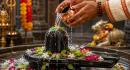
Sawan Somwar 2026: Not Just Jalabhishek, These 5 Sacred Acts Can Please Lord Shiva
Lord Shiva, lovingly known as Bholenath, is regarded as one of the most compassionate deities in Hinduism. According to religious beliefs, even offering a pot of water to the Shivlinga with complete devotion is enough to receive his blessings. During the holy month of Sawan, thousands of devotees visit temples to perform Jalabhishek and offer milk, honey, bel leaves, bhang, and dhatura to Lord Shiva. It is widely believed that sincere worship and charitable acts performed during this auspicious period bring happiness, prosperity, and success. Apart from Jalabhishek, several acts of service are also considered highly beneficial during Sawan Mondays. Help the Poor and Needy Astrologers consider the month of Sawan to be extremely auspicious for charity and selfless service. Helping underprivileged people during this sacred period is believed to attract peace, prosperity, and happiness into one's life. Good deeds performed during Sawan are said to produce manifold rewards. Donate Clothes Offering clothes to those in need is regarded as a virtuous act throughout the month of Sawan. However, donating yellow or white garments on Sawan Mondays is believed to hold special significance. According to traditional beliefs, this practice helps eliminate negative energy and brings positive changes into life. ALSO READ: First Sawan Somwar Today: Offer These 10 Things to Lord Shiva for Blessings Donate Educational Supplies Providing books, notebooks, pens, and other educational materials to underprivileged children is considered highly rewarding. It is believed that this noble act invites Lord Shiva's blessings and helps fulfil a person's wishes while promoting harmony and prosperity. Feed Green Fodder to Cows Cows are considered sacred in Hinduism and are associated with prosperity and purity. Feeding green fodder to cows on Sawan Mondays is believed to bring happiness and financial stability. Astrological beliefs also suggest that this practice strengthens the influence of the planet Mercury. Donate Materials Used in Shiva Worship Devotees can also donate items required for Lord Shiva's worship, such as incense sticks, diyas, sandalwood paste, bel leaves, milk, and other offerings. According to tradition, helping others perform Shiva worship pleases Lord Shiva and attracts abundance and prosperity. Additional Remedies to Seek Lord Shiva's Blessings Worship Lord Shiva and Goddess Parvati Together Religious scriptures recommend worshipping Lord Shiva and Goddess Parvati together on Sawan Mondays. This ritual is believed to enhance positivity, strengthen relationships, and remove obstacles related to marriage. Unmarried devotees are said to receive blessings for finding a suitable life partner, while married couples may experience greater harmony in their lives. Offer Bel Leaves to Lord Shiva Bel leaves hold immense importance in the worship of Lord Shiva. Devotees often write the sacred mantra Om Namah Shivaya with sandalwood paste on 21 or 108 bel leaves before offering them to the Shivlinga while chanting the mantra. According to religious beliefs, this practice helps fulfil long-cherished desires and brings divine blessings. ALSO READ: Can Bel Patra Be Reoffered to Lord Shiva? Know the Rules, Benefits and Significance Disclaimer: The content provided here is based on beliefs and information only. Always consult a concerned expert.
Celebrate Hera Panchami For Marital Harmony, Devotion, And Divine Reunion
Hera Panchami is a deeply symbolic and emotionally rich festival in the Jagannath tradition of Puri, observed on the fifth day of the Rath Yatra. The post Celebrate Hera Panchami For Marital Harmony, Devotion, And Divine Reunion appeared first on Dharma .

Stampede During Puri Jagannath Rath Yatra; One Dead, Over 200 Injured
One devotee was killed and more than 200 people were injured in a stampede during the Jagannath Rath Yatra in Puri. Rescue teams, heavy security, and emergency medical services were deployed as the annual festival began.

12 Amazing Facts About Jagannath Rath Yatra: Hidden Traditions and Mysteries
The English word Juggernaut, which means an unstoppable and powerful force, is believed to have originated from the name Lord Jagannath and the massive scale of His grand Rath Yatra. While many people know about the mysteries and miracles associated with the Jagannath Temple, the annual Rath Yatra has its own fascinating traditions and hidden stories. Here are 12 interesting facts about the sacred Jagannath Rath Yatra that showcase its spiritual significance and centuries-old customs. 1. New Chariots Are Built Every Year One of the most unique traditions of the Jagannath Rath Yatra is that all the three chariots of Lord Jagannath, Lord Balabhadra, and Devi Subhadra are rebuilt every year. Interestingly, no metal, nails, nuts, or bolts are used in their construction. The massive wooden chariots are made using traditional techniques passed down through generations. The craftsmen responsible for building these divine chariots are known as Bhoi Sevaks. Without modern engineering tools or blueprints, they create the massive structures using traditional measurements based on hands and fingers. 2. Special Neem Trees Are Selected for Chariot Construction Not every tree is suitable for making the sacred chariots. Special neem trees known as Daru are selected for this purpose. According to tradition, these trees must have natural markings resembling sacred symbols such as: Conch (Shankha) Discus (Chakra) Mace (Gada) Lotus (Padma) Special trees are identified from the forests of Daspalla, and permission to cut the wood is traditionally granted from Vasant Panchami. 3. Chhera Pahara: When the King Sweeps the Lords Path Before the Rath Yatra begins, the Gajapati King of Puri performs the sacred ritual called Chhera Pahara. During this ceremony, the king cleans the chariot platform and the path using a golden-handled broom and sprinkles sandalwood water. The ritual carries a powerful message before God, everyone is equal, whether a king or a common person. Only after this ceremony are devotees allowed to pull the chariots. 4. Three Chariots Have Different Names, Colours and Wheels The three divine chariots have unique designs, colours, and numbers of wheels. Nandighosha Chariot of Lord Jagannath Red and yellow colour 16 wheels Taladhwaja Chariot of Lord Balabhadra Red and green colour 14 wheels Darpadalana Chariot of Devi Subhadra Red and black colour 12 wheels The construction of these wheels also carries special religious and astrological significance. 5. Why Does Lord Jagannath Remain Sick for 15 Days? Before the Rath Yatra, on Jyeshtha Purnima, the deities are given a ceremonial bath with 108 pots of sacred water, known as Snana Yatra. According to tradition, after this grand bathing ceremony, Lord Jagannath, Lord Balabhadra, and Devi Subhadra become unwell and rest inside a special chamber called Anasara Ghar for around 15 days. During this period, devotees cannot have darshan of the deities. Instead, the Lord is offered medicinal herbal preparations as part of the traditional belief. 6. Gundicha Temple: Lord Jagannaths Annual Visit to His Aunts Home The Rath Yatra begins from the Jagannath Temple and travels nearly 3 kilometres to Gundicha Temple, which is believed to be the home of Lord Jagannaths maternal aunt. The three deities stay there for nine days before returning to the main temple during the Bahuda Yatra. The visit is associated with Queen Gundicha, wife of King Indradyumna, who is believed to have built the temple. ALSO READ: Planning a Jagannath Puri Trip? Your Pilgrimage Is Incomplete Without These 3 Sacred Shrines 7. Pahandi Bije: The Divine Journey From Temple to Chariot Pahandi Bije refers to the ceremonial movement of the deities from the sanctum to their respective chariots. It is one of the most captivating moments of the Rath Yatra, as the large wooden idols are slowly carried out by temple servants amid the sounds of conch shells, drums and devotional chants. Devi Subhadra is carried in the arms of the servitors, while Lord Jagannath and Lord Balabhadra are brought out using special padded ropes. 8. Why Does Lord Jagannaths Chariot Stop Near Salabegas Shrine? During the Rath Yatra, Lord Jagannaths chariot traditionally stops near the shrine of Salabega, a 17th-century Muslim poet and a devoted follower of Lord Jagannath. According to legend, Salabega once could not reach Puri in time for the Rath Yatra and prayed to the Lord to wait for him. It is believed that when Lord Jagannaths Nandighosha chariot reached near his hut, it stopped and could not be moved despite the efforts of elephants, horses, and thousands of devotees. The chariot moved only after Salabega arrived and had darshan of the Lord. After his death, a shrine was built at the same place, and even today the chariot stops there briefly as a tribute to his devotion. 9. Order of Chariots During the Rath Yatra Millions of devotees pull the giant ropes, traditionally called Shankha Chuda, to move the chariots. The procession follows a fixed order: 1. Taladhwaja Lord Balabhadras chariot leads the procession 2. Darpadalana Devi Subhadras chariot follows 3. Nandighosha Lord Jagannaths chariot moves last 10. Hera Panchami: When Goddess Lakshmi Gets Angry On the fifth day of the Rath Yatra, the unique ritual of Hera Panchami takes place. According to tradition, Goddess Lakshmi, the wife of Lord Jagannath, becomes upset because the Lord left for Gundicha Temple without taking her along. In anger, she visits Gundicha Temple and damages a part of Lord Jagannaths chariot before secretly returning through the Hera Gohiri route. 11. Bahuda Yatra: The Return Journey After nine days, on Ashadha Shukla Dashami, Lord Jagannath, Lord Balabhadra, and Devi Subhadra begin their return journey to the main temple. During the return procession, the chariots stop briefly at Mausi Maa Temple, where the Lord is offered His favourite sweet dish Poda Pitha, a traditional pancake made from rice and jaggery. 12. Niladri Bije: The Final Ritual to Please Goddess Lakshmi When Lord Jagannath returns to the main temple, Goddess Lakshmi is believed to be angry and closes the temple door. A playful exchange takes place between the Lords servants and Goddess Lakshmis attendants through traditional songs and conversations. Finally, Lord Jagannath offers Rasgulla to Goddess Lakshmi to pacify her. After accepting the sweet offering, she opens the door and allows the Lord to enter the sanctum. This final ritual is known as Niladri Bije.

Seva to Humanity: Reliance rolls out Puri Rath Yatra Seva for pilgrims and frontline workers
As millions of devotees prepare to gather in Puri for the annual Rath Yatra, Reliance, in collaboration with the Puri administration, is strengthening on-ground support through Puri Rath Yatra Seva Services 2026. Bringing together a comprehensive ...
Jalauka vs Siravedha: Which Therapy Supports Safer Ayurvedic Healing
Jalauka (leech therapy) and Siravedha (Siravyadha) are two classical Raktamokshana (bloodletting) therapies in Ayurveda that help eliminate vitiated blood (Dushta Rakta). The post Jalauka vs Siravedha: Which Therapy Supports Safer Ayurvedic Healing appeared first on Dharma .
Beat Post-Meal Heaviness With Simple Ayurvedic Warm Remedies
Feeling heavy after meals is often connected to sluggish digestion or weak Agni (digestive fire) in Ayurveda. The post Beat Post-Meal Heaviness With Simple Ayurvedic Warm Remedies appeared first on Dharma .
Clear Sinuses And Boost Brain Health With Ayurvedic Nasya Therapy
Nasya, also known as Nasya Karma, Shirovirechana, or Murdhavirechana, is one of the five principal Panchakarma therapies in Ayurveda. The post Clear Sinuses And Boost Brain Health With Ayurvedic Nasya Therapy appeared first on Dharma .
Unlock Courage, Protection And Peace with Hanuman Chalisa Chant
Hanuman Chalisa is one of the most revered Hindu prayers dedicated to Lord Hanuman, the embodiment of strength, courage, wisdom, and unwavering devotion to Lord Ram. The post Unlock Courage, Protection And Peace with Hanuman Chalisa Chant appeared first on Dharma .

6 Major Mysteries of Amarnath Cave: How Ancient Is This Sacred Pilgrimage Site?
The Amarnath Cave in Kashmir is surrounded by mystery, mythology, and deep spiritual significance. Some legends even claim that certain caves in the region have hidden connections stretching as far as Russia, nearly 4,000 km away. Among these sacred sites are Peer Panjal Cave, known for its ancient Shiva Lingam, and Shiv Khari, another important centre of Shiva worship in Jammu. However, the most revered remains the Amarnath Cave, located about three hours from Srinagar. Here are fascinating insights into the holy Amarnath Cave and its mysteries. Amarnath Yatra Route The cave is located 145 km from Srinagar, at an altitude of 3,978 metres above sea level. It is about 150 feet high and 90 feet long. There are two main pilgrimage routes: Pahalgam route SonamargBaltal route After reaching the base camps, pilgrims continue the journey on foot through steep mountain terrain. 6 Major Mysteries of Amarnath Cave 1. Ocean of Merit (Punya) According to ancient Puranas, visiting Amarnath is believed to grant- 10 times the merit of Kashi, 100 times the merit of Prayag, and 1,000 times the merit of Naimisharanya. 2. Amreshwar vs Baba Barfani The original name of the ice Shiva Lingam is believed to be Amreshwar. The pilgrimage begins on Ashadha Purnima and continues through the entire month of Shravan, ending around Raksha Bandhan. 3. First Arrival of Lord Shiva Legend says Lord Shiva first visited the cave on the full moon day of Shravan month. On this day, the sacred Chhari Mubarak is placed near the ice Shiva Lingam. 4. Formation of the Ice Shiva Lingam A fascinating natural phenomenon occurs inside the cave: Water droplets form an ice structure that grows and shrinks with the lunar cyclewaxing during the full moon phase and diminishing afterward. Unlike normal ice, this formation remains unusually solid. Nearby, smaller ice formations representing Lord Ganesha, Bhairav, and Goddess Parvati are also said to appear. ALSO READ: Amarnath Yatra 2026: 5 Essential Preparations for a Safe and Hassle-Free Pilgrimage 5. Story of Immortality (Amar Katha) and the Immortal Beings It is believed Lord Shiva narrated the secret of immortality (Amar Katha) to Goddess Parvati in this cave. A parrot (Shukadev Rishi) and two pigeons are said to have overheard the story. According to legend, these pigeons still appear in the cave, symbolising immortality. 6. Shiva's Path of Renunciation As Lord Shiva journeyed to the Amarnath Cave to reveal the Amar Katha (the secret of immortality) to Goddess Parvati, he gradually renounced everything that symbolized his worldly attachments. Legend says he left Nandi, his sacred bull, at Pahalgam; the crescent moon and the sandalwood paste from his forehead at Chandanwari; the spirits (Pishachas) at Pissu Top; the serpent around his neck at Sheshnag Lake; and finally, at Panchtarni, he relinquished the five elements of nature, the five vital energies, and even the River Ganga flowing from his matted locks. However, the exact sequence and details of these events vary across different Puranic texts and regional traditions. Mythological and Historical Journey of the Cave Discovery by Sage Bhrigu According to mythology, after Sage Kashyap drained the Kashmir Valley, Sage Bhrigu was the first to discover the sacred cave and Shiva Lingam in the Himalayan mountains. How Old Is the Cave? Archaeological estimates suggest it is around 5,000 years old (possibly from the Mahabharata era).However, some interpretations suggest it may date back to the Ice Age (12,00013,000 years ago). Historical References The cave is mentioned in ancient texts such as: Mahabharata Buddhist-era writings Kalhanas Rajatarangini, which records that around 34 BC, King Samdimat of Kashmir visited the site to worship the ice Shiva Lingam References are also found in Brhngesh Samhita and Nilamata Purana, highlighting its long-standing spiritual importance.
Purify Blood Naturally With Siravyadha Ayurvedic Therapy
Siravyadha (also called Siravedhana) is a classical Ayurvedic para-surgical therapy that involves carefully puncturing a vein to remove vitiated or impure blood. The post Purify Blood Naturally With Siravyadha Ayurvedic Therapy appeared first on Dharma .
Rudram Chamakam For Protection, Prosperity, And Spiritual Growth
Rudram Chamakam, also known as Shri Rudram or Rudra Prashna, is one of the most revered Vedic hymns dedicated to Lord Shiva in His Rudra form. The post Rudram Chamakam For Protection, Prosperity, And Spiritual Growth appeared first on Dharma .

Amarnath Yatra 2026 Begins: First Batch of Pilgrims Leaves Jammu Amid Tight Security Arrangements
The first batch of Amarnath Yatra 2026 pilgrims has departed from Jammu. Darshan of Baba Barfani will take place tomorrow as the 57-day pilgrimage begins under tight security and advanced weather monitoring systems.
Boost Digestion, Immunity, And Vitality With Ayurvedic Honey
Honey, known as Madhu in Ayurveda, is far more than a natural sweetener. Revered as a healing elixir and ectar of the gods, it has been used for centuries to support digestion, immunity, respiratory health, and overall wellness. The post Boost Digestion, Immunity, And Vitality With Ayurvedic Honey appeared first on Dharma .

First Batch of Amarnath Yatra Pilgrims Departs from Kashi
The first batch of Amarnath Yatra pilgrims has left Varanasi for Kashmir. Shri Kashi Vishwanath Seva Samiti will provide food, accommodation, and other services to hundreds of devotees during the pilgrimage.

Planning Kailash Mansarovar Yatra? MEA Issues Advisory After 52 Indians Get Stranded in Nepal
The Ministry of External Affairs (MEA) has issued an important travel advisory for people planning the Kailash Mansarovar Yatra after 52 Indian pilgrims were stranded in Kathmandu, Nepal, due to incomplete travel documents.
Gundicha Marjana: The Rituals Of Purifying The Heart To Welcome Divine Grace
Gundicha Marjana is the sacred temple-cleaning ritual performed one day before the Rath Yatra at the Jagannath Temple in Puri. The post Gundicha Marjana: The Rituals Of Purifying The Heart To Welcome Divine Grace appeared first on Dharma .

Spirituality: Confucius and his Views
ByProf. Dr. Vanapalli Venkata Rao To understand Confucius, one must know some of the history of Rai Na and the philosophical values of China. We have come to realize that no soul can transcend the thought environment at the time of its birth. Therefore, the position of confusion cannot be grasped if one does not [] The post Spirituality: Confucius and his Views appeared first on Northlines .
Eat Ayurveda-Recommended Khichdi And Improve Digestion, Detox, And Daily Wellness
Khichdi, also known as Khichri, Kitchari, or Khechri, is a traditional Indian one-pot meal made with rice, moong dal, ghee, and digestive spices. The post Eat Ayurveda-Recommended Khichdi And Improve Digestion, Detox, And Daily Wellness appeared first on Dharma .
Boost Digestion And Energy Naturally With Ayurvedic Pachan Principles
Pachan in Ayurveda refers to the complete digestive process that breaks down food, removes toxins (Ama), and absorbs nutrients efficiently. The post Boost Digestion And Energy Naturally With Ayurvedic Pachan Principles appeared first on Dharma .
Invite Peace And Prosperity With Divine Makhan Mishri Offering
Makhan Mishri is a sacred mixture of fresh white butter and crystallized rock sugar offered to Lord Krishna with love and devotion. The post Invite Peace And Prosperity With Divine Makhan Mishri Offering appeared first on Dharma .
Gain Strength And Protection By Offering Laddoo To Lord Hanuman
Offering Laddoo to Lord Hanuman is a deeply cherished devotional tradition followed by millions of devotees, especially on Tuesdays, Saturdays, and Hanuman Jayanti. The post Gain Strength And Protection By Offering Laddoo To Lord Hanuman appeared first on Dharma .
Reduce Obstacles And Boost Harmony With Navagraha Puja And Mantras
Navagraha Puja is a powerful sttvik ritual dedicated to the nine planetary forces that influence karma, health, and destiny. The post Reduce Obstacles And Boost Harmony With Navagraha Puja And Mantras appeared first on Dharma .