SENSEX
NIFTY
GOLD
USD/INR

Weather

image 30    C

Religion News

Web Dunia

Religion / Web Dunia

details

12 Amazing Facts About Jagannath Rath Yatra: Hidden Traditions and Mysteries

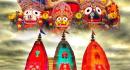
The English word Juggernaut, which means an unstoppable and powerful force, is believed to have originated from the name Lord Jagannath and the massive scale of His grand Rath Yatra. While many people know about the mysteries and miracles associated with the Jagannath Temple, the annual Rath Yatra has its own fascinating traditions and hidden stories. Here are 12 interesting facts about the sacred Jagannath Rath Yatra that showcase its spiritual significance and centuries-old customs. 1. New Chariots Are Built Every Year One of the most unique traditions of the Jagannath Rath Yatra is that all the three chariots of Lord Jagannath, Lord Balabhadra, and Devi Subhadra are rebuilt every year. Interestingly, no metal, nails, nuts, or bolts are used in their construction. The massive wooden chariots are made using traditional techniques passed down through generations. The craftsmen responsible for building these divine chariots are known as Bhoi Sevaks. Without modern engineering tools or blueprints, they create the massive structures using traditional measurements based on hands and fingers. 2. Special Neem Trees Are Selected for Chariot Construction Not every tree is suitable for making the sacred chariots. Special neem trees known as Daru are selected for this purpose. According to tradition, these trees must have natural markings resembling sacred symbols such as: Conch (Shankha) Discus (Chakra) Mace (Gada) Lotus (Padma) Special trees are identified from the forests of Daspalla, and permission to cut the wood is traditionally granted from Vasant Panchami. 3. Chhera Pahara: When the King Sweeps the Lords Path Before the Rath Yatra begins, the Gajapati King of Puri performs the sacred ritual called Chhera Pahara. During this ceremony, the king cleans the chariot platform and the path using a golden-handled broom and sprinkles sandalwood water. The ritual carries a powerful message before God, everyone is equal, whether a king or a common person. Only after this ceremony are devotees allowed to pull the chariots. 4. Three Chariots Have Different Names, Colours and Wheels The three divine chariots have unique designs, colours, and numbers of wheels. Nandighosha Chariot of Lord Jagannath Red and yellow colour 16 wheels Taladhwaja Chariot of Lord Balabhadra Red and green colour 14 wheels Darpadalana Chariot of Devi Subhadra Red and black colour 12 wheels The construction of these wheels also carries special religious and astrological significance. 5. Why Does Lord Jagannath Remain Sick for 15 Days? Before the Rath Yatra, on Jyeshtha Purnima, the deities are given a ceremonial bath with 108 pots of sacred water, known as Snana Yatra. According to tradition, after this grand bathing ceremony, Lord Jagannath, Lord Balabhadra, and Devi Subhadra become unwell and rest inside a special chamber called Anasara Ghar for around 15 days. During this period, devotees cannot have darshan of the deities. Instead, the Lord is offered medicinal herbal preparations as part of the traditional belief. 6. Gundicha Temple: Lord Jagannaths Annual Visit to His Aunts Home The Rath Yatra begins from the Jagannath Temple and travels nearly 3 kilometres to Gundicha Temple, which is believed to be the home of Lord Jagannaths maternal aunt. The three deities stay there for nine days before returning to the main temple during the Bahuda Yatra. The visit is associated with Queen Gundicha, wife of King Indradyumna, who is believed to have built the temple. ALSO READ: Planning a Jagannath Puri Trip? Your Pilgrimage Is Incomplete Without These 3 Sacred Shrines 7. Pahandi Bije: The Divine Journey From Temple to Chariot Pahandi Bije refers to the ceremonial movement of the deities from the sanctum to their respective chariots. It is one of the most captivating moments of the Rath Yatra, as the large wooden idols are slowly carried out by temple servants amid the sounds of conch shells, drums and devotional chants. Devi Subhadra is carried in the arms of the servitors, while Lord Jagannath and Lord Balabhadra are brought out using special padded ropes. 8. Why Does Lord Jagannaths Chariot Stop Near Salabegas Shrine? During the Rath Yatra, Lord Jagannaths chariot traditionally stops near the shrine of Salabega, a 17th-century Muslim poet and a devoted follower of Lord Jagannath. According to legend, Salabega once could not reach Puri in time for the Rath Yatra and prayed to the Lord to wait for him. It is believed that when Lord Jagannaths Nandighosha chariot reached near his hut, it stopped and could not be moved despite the efforts of elephants, horses, and thousands of devotees. The chariot moved only after Salabega arrived and had darshan of the Lord. After his death, a shrine was built at the same place, and even today the chariot stops there briefly as a tribute to his devotion. 9. Order of Chariots During the Rath Yatra Millions of devotees pull the giant ropes, traditionally called Shankha Chuda, to move the chariots. The procession follows a fixed order: 1. Taladhwaja Lord Balabhadras chariot leads the procession 2. Darpadalana Devi Subhadras chariot follows 3. Nandighosha Lord Jagannaths chariot moves last 10. Hera Panchami: When Goddess Lakshmi Gets Angry On the fifth day of the Rath Yatra, the unique ritual of Hera Panchami takes place. According to tradition, Goddess Lakshmi, the wife of Lord Jagannath, becomes upset because the Lord left for Gundicha Temple without taking her along. In anger, she visits Gundicha Temple and damages a part of Lord Jagannaths chariot before secretly returning through the Hera Gohiri route. 11. Bahuda Yatra: The Return Journey After nine days, on Ashadha Shukla Dashami, Lord Jagannath, Lord Balabhadra, and Devi Subhadra begin their return journey to the main temple. During the return procession, the chariots stop briefly at Mausi Maa Temple, where the Lord is offered His favourite sweet dish Poda Pitha, a traditional pancake made from rice and jaggery. 12. Niladri Bije: The Final Ritual to Please Goddess Lakshmi When Lord Jagannath returns to the main temple, Goddess Lakshmi is believed to be angry and closes the temple door. A playful exchange takes place between the Lords servants and Goddess Lakshmis attendants through traditional songs and conversations. Finally, Lord Jagannath offers Rasgulla to Goddess Lakshmi to pacify her. After accepting the sweet offering, she opens the door and allows the Lord to enter the sanctum. This final ritual is known as Niladri Bije.

16 Jul 2026 3:11 pm